Table of Content
Really focus on oblique muscles. Feel the “crunch” motion when your knee is meeting your elbow. This exercise is great for intermediate athletes to test themselves. It is more challenging than other intermediate moves, but not as difficult as some of the more advanced exercises.
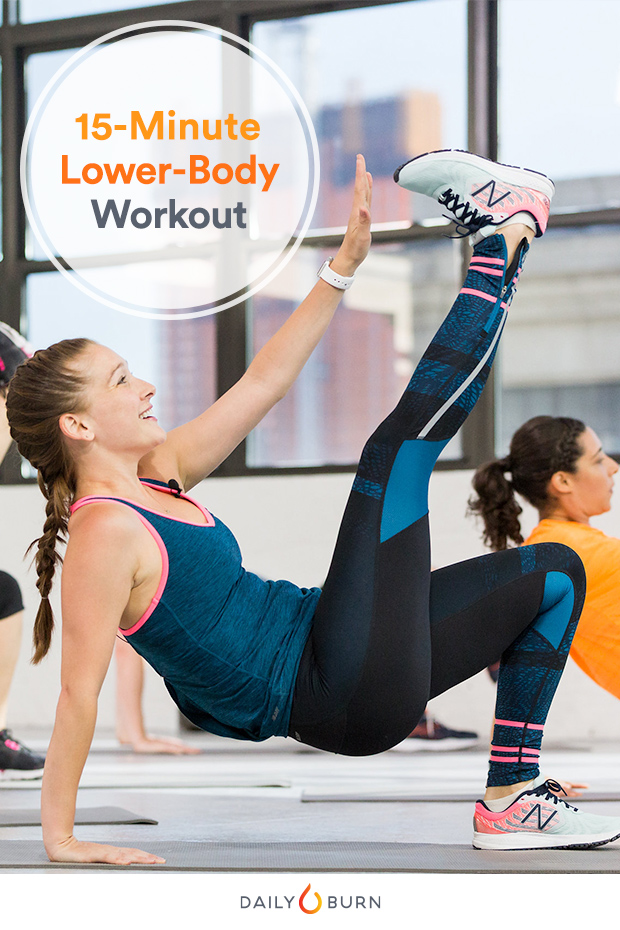
Keeping your hips and shoulders squared, try to bring that leg and arm parallel to the floor. Hold, then return to the starting position. Repeat the exercise with your right leg and left arm. Repeat the exercise on both sides 10 times.
Low Side Plank
Once you’re ready for a more challenging version of the plank, you can try lifting one leg at a time while you’re holding the plank position. Begin in a lying down position on the ground, with your hands extended over your head and parallel to each other and legs stretched in front. Maintain a straight posture while keeping the core muscles engaged. Here, we have curated a list of the best core stability exercises that can be done at home without any equipment or gym membership. These exercises can be easily incorporated in your workout regime and provide both functional and physical benefits. If you choose to do a timed core workout, you can do a circuit of core exercises or a Tabata for example.

Yogis know all about core strength, so if you want a tighter tummy, you should take a page out of their playbook. You’ll feel the transverse abdominis engage. Hold as long as possible, rest and then repeat. The L-Sit is outrageously difficult to perform well, but if you can build your strength here, the benefits are phenomenal. Engage your lower ab muscles to do the work, not your back.
Core exercises help reduce injury when combined with full-body strength training
The point is, core strength training doesn’t require much. All you need is dedication and consistency. Core strengthening exercises are important to keep your spine stable, which helps you stand and sit without falling . Core muscles include the abs, back, glutes, and pelvis . But with age or due to a sedentary life, the core muscles may weaken and cause injuries that may affect posture , .

Tighten your core and relax your neck and shoulders. Tuck in your chin and lift your upper back, keeping your lower back, pelvis, and feet on the floor. This pose activates your glutes to lift your hips, which helps train your core while toning your butt and thighs. When you bend forward, you use an abdominal muscle called the rectus abdominis. It’s sometimes called the “six pack” muscle. From the push-up or standard plank position, walk your feet out wide and your hands, as well.
Benefits of core training
You can exercise on your own schedule, no matter the time of day or night. A home-based exercise routine can be a super easy and convenient way of fitting in a workout without having to hit the gym. Position either towels or gliders under your feet so that they can easily move onto the floors.

Simultaneously lift and extend your left arm to shoulder level, palm down. Hold a neutral spine without allowing your back to arch as you extend your arm and leg. Place your forearms on a stability ball and extend your legs directly behind you into a high plank—your body should form a straight line from head to heels. It also is crucial for improving your balance and stability, creating equilibrium in your body. "Core exercises train the muscles in your entire trunk area to work in harmony and lessen muscular imbalances," adds Kendter. "This leads to better balance and stability in our daily life with tasks, overall performance, workouts and sports. Everyday tasks will become easier."
Healthy Aging
Moreover, it’s important that you choose the right exercise to see the best results. Helps you achieve your fitness goals as a stronger core leads to a more powerful squat, deadlift, bench press, military press, etc. Core training will allow you to build more muscle in other areas of your body and break through plateaus in your big lifts. So, as you can see, all of the muscles that attach to the spine are considered core muscles.
Try your best to keep your feet glued to the ground as you come up. Inhale as you slowly lower back down (without flopping to the floor — this helps develop core control). Lie on your back on the floor. Keep your legs bent in the air at a 90-degree angle.
Ready to fire up those abs? Pick five of your favorite exercises from the list below and complete two rounds of the recommended number of reps for each move. If you’re not sure where to start, try the five starred exercises our resident trainer Danny loves the most . If you’re a total newbie, get familiar with these new moves by incorporating them into your workout routine at least once a week.

Engage your leg muscles to help stabilize your body. Contract your abs to keep your lower back lifted. Keep your butt as low as possible without arching your back. To avoid unnecessary strain on your neck and spine, concentrate your gaze on a spot about a foot beyond your hands.
As you hold, keep your hips up, don’t let them start to fall to the floor. Bring your right arm to the floor and lift your left one up off the floor - Hold this position for 15 seconds. Makes your stronger both rotationally and anti-rotationally.
Bend the upper body to one side, and return to the center. Hold this position for 20 seconds while breathing deeply and looking directly at the floor, then return to the starting position. Perform 2 sets of 8 or 3 sets of 12, depending on the level of fitness. Lower each foot in turn, lightly tapping the floor, before raising it to the starting position. Stand up straight, with your feet shoulder-width apart.




No comments:
Post a Comment